7 min read
Give Florence Fennel Time to Make a Bulb
Choose a sowing that avoids cold starts and dry spells, then harvest while the swollen bases are still tender.
On this page
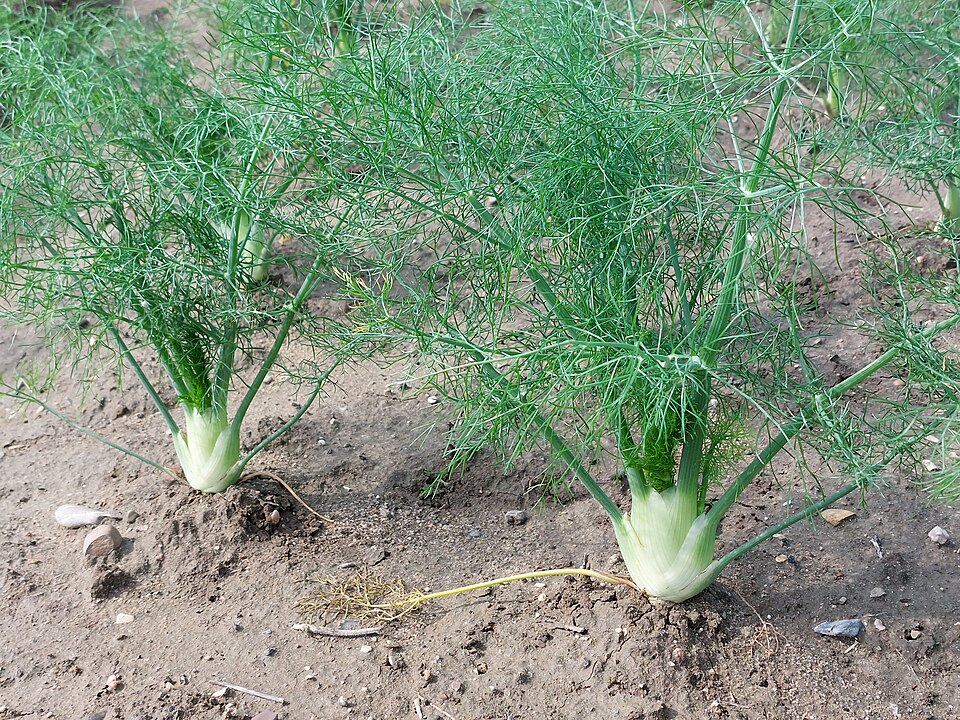
From a distance, a perfectly healthy Florence fennel plant can look like a successful crop long before there is anything to cut. The feathery leaves hide the ground. Part them and you may find a plump white base, or you may find a narrow stem on its way to making flowers. Only the first gives you the crisp vegetable you planted. Learn to look at the base regularly and to plan the planting around the particular weeks in which your garden can keep the crop growing steadily.
Florence fennel is sold as bulb fennel. The word bulb describes its shape at harvest. The swollen part is an arrangement of overlapping leaf bases at ground level. The taller fennel grown for foliage and seed is a close relative and will not deliver the same crop. Read the packet before sowing and leave the name on the label afterward. That small habit helps when you are deciding whether an unexpectedly slender plant was stressed or whether it came from the wrong packet.
Work backward from the harvest, then check the weather
Read the cultivar's maturity estimate and the recommended season on the packet. Work backward from a plausible date for sustained cold or other local conditions that would end good growing weather. Allow extra time if part of the crop will grow in shorter, cooler days. Compare the resulting date with the period you can keep the bed evenly moist. A late planting that would barely finish and an early one likely to hit a long dry spell give you different reasons to scale down. Sow one short row in the better window and leave room for a small follow-up.
In a cool climate, sowing outdoors after the soil has warmed in early summer often avoids a cold spell that can trigger flowering. In a garden with a dry, very hot summer, a sowing timed for the milder end of summer and autumn may be more useful, provided there is time before cold weather. Local growing guidance beats calendar dates from a different latitude or climate. Buy a cultivar marketed for the sowing period you intend to use. A bolt-resistant variety offers room for imperfect weather, but extended drought, cold or root disturbance can still interrupt it.
Mark your likely sowing week on a calendar in pencil. If the bed is full of another crop, write down which part will be clear soon enough for fennel. An early harvest of potatoes can release a good strip, for example, provided the soil is left in workable condition. Keep a fallback strip in mind if the first crop lingers. On sowing day, a fine soil surface and an available watering can have more immediate value than an exact date.
Decide whether to sow in place
Direct sowing reduces root disturbance. Choose sunny ground that retains some moisture without staying soggy. Break the surface into a fine tilth while leaving the lower bed firm enough to hold steady moisture. Make a shallow row at the depth indicated on the packet. Water the bottom of the row if needed before putting in the seeds, then cover them lightly. Mark both ends so you remember where to water and where to look for emergence before the tiny fennel leaves become easy to identify.
You can also start a few seeds in individual modules if outdoor conditions are not ready. This approach is helpful if it buys time for the bed without holding plants in small cells for too long. Sow one seed per cell when practical. Transplant the intact plug once it holds together and the plants have been accustomed to outdoor conditions. Water before moving it so dry mix does not crumble away. Open a hole just large enough to let the plug settle without being squeezed. Seedlings with roots wound tightly around a cell can be slower to settle. A second, direct-sown row is useful insurance if the first batch had to wait.
Thin early while the plants are small. If seedlings are close together, use scissors for the final close thinning so you need not pull roots from around a plant you are keeping. Give a cultivar intended to produce full-sized bulbs the space specified on the packet. A vigorous form may want around 25 to 30 centimeters between mature plants. At closer spacing, plan to harvest some early as small bulbs, leaving enough room for the rest. The spacing decision is easier once you know whether the family uses a whole large fennel in a meal or regularly wants one small bulb at a time.
Inspect the bed before turning on the hose
Push a finger or a trowel down near the row. Try to judge the soil below the surface, where a crust can hide moisture or a brief shower can hide dry ground. During a hot period, apply water slowly so it soaks through the active root zone rather than running along the row. Afterward, check a sample spot between two plants. If only the top has changed color, apply the next pass slowly enough to give the soil time to absorb it. Watering early in the day makes the remaining work around the plants easier.
Keep weeds in check because they can use moisture and hide small plants from view. Hand weed near the fennel's bases and use a shallow tool farther away. A light surface mulch after the soil warms and seedlings establish can slow drying. Keep it clear of the bases and examine the seedlings for slug damage if the weather is damp. A strip that repeatedly loses seedlings at one end may have a slug shelter or a drainage issue nearby. Treat one spot as an observation before changing the routine for the whole bed.
A large container can work if you have the space and can check it often. Choose a generous volume of potting mix and unobstructed drainage. Clear the saucer after watering if it holds the pot in standing water. A planter exposed to sun and wind on three sides dries faster than the same mix in an outdoor bed. You may have space for fewer plants than you think once you allow enough root room and workable access to water. Plan for small bulbs if you want to sow several plants and harvest them in sequence.
Watch the shoulder, not just the foliage
Check low on the plant once a week as the bases begin to swell. Look for a widening, rounded white area with overlapping layers. Compare the shoulder with the base at its widest point. A plant that grows noticeably taller through its center, with the bulb stretching upward, may be heading toward flowering. Take a firm, usable bulb early if it begins to elongate. No amount of extra water will return an advancing flower stalk to a small vegetative center. The information can still improve your next sowing.
Harvest a trial bulb while it is young enough to use. A slow-growing row may produce good small bulbs well before it reaches the size pictured on the packet. For a whole plant, loosen it with a fork where that suits the soil. Where the bed is easy to reach, you can cut through the base just below the swollen part with a clean, sharp knife. Trim the leafy stems for easier handling. If you leave the roots, they may send up small shoots, but plan the space around the main harvest instead of counting on a second bulb.
Compare one bulb from the end of the row with one from the middle. If the outside one is larger but tougher, the extra warmth there may have advanced it faster. If all are unexpectedly small under a dense wall of foliage, check crowding and the growing season before blaming the variety. You can use fresh, sound trimmings for their aroma if you like their flavor. Put the main bulb somewhere cool after picking and keep damaged samples separate from those you intend to hold.
Keep the simplest trial next season
Write four things on the packet before putting it away. Record the cultivar, the sowing and harvest dates, the main stretch of hot or cold weather, and whether the harvest came from a module or a direct sowing. A single note about the weather can be more informative than a detailed measurement of every bulb. If most of the trial plants flowered soon after transplanting, compare that with a direct sowing under roughly similar conditions before changing everything else. If the planting stayed steadily moist but ran out of season, try an earlier slot once the risk from cold is manageable.
Leave a little room near a successful row so the next crop is easy to inspect. Florence fennel is an awkward vegetable to harvest in one crowded reach, especially when the swollen bases are hidden. Small sowings spread out the best stage and let you act quickly on the first elongated center. The most useful outcome of the trial is knowing when your own plants become ready. The next year, visit the row early enough to make that decision while the bulbs are still round.
Further reading: Royal Horticultural Society guide to Florence fennel.