7 min read
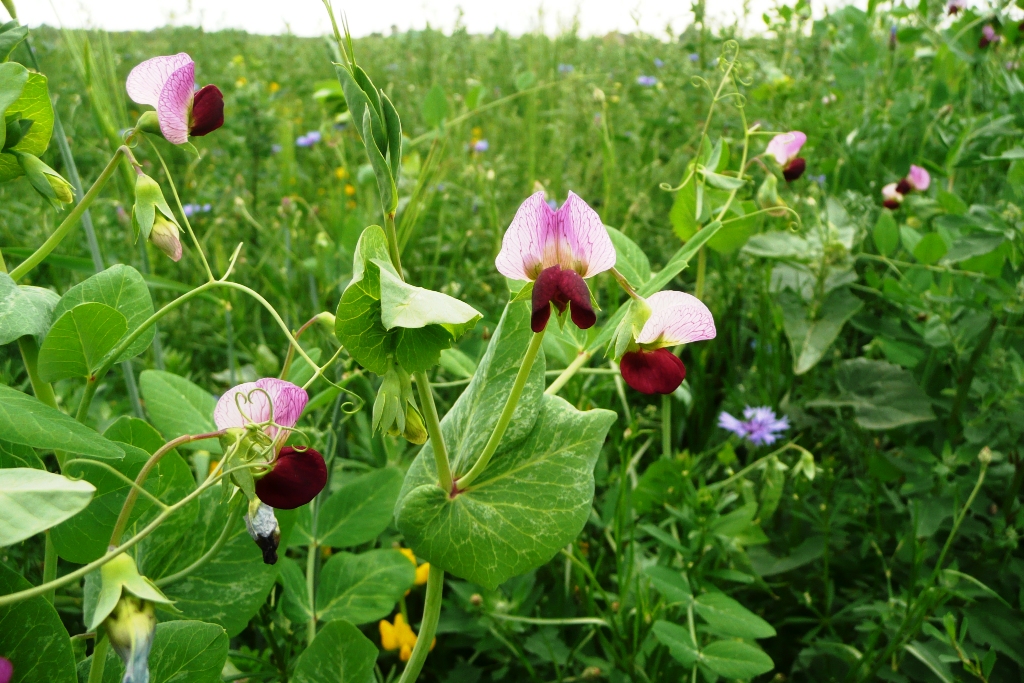
Give Snow Peas and Snap Peas Separate Picking Sides
Label two kinds of edible pod peas at the support and compare the stage at which each gives you its best harvest.

Plan a productive bed, sow at the right time and pick vegetables when they taste their best.
Explore the guides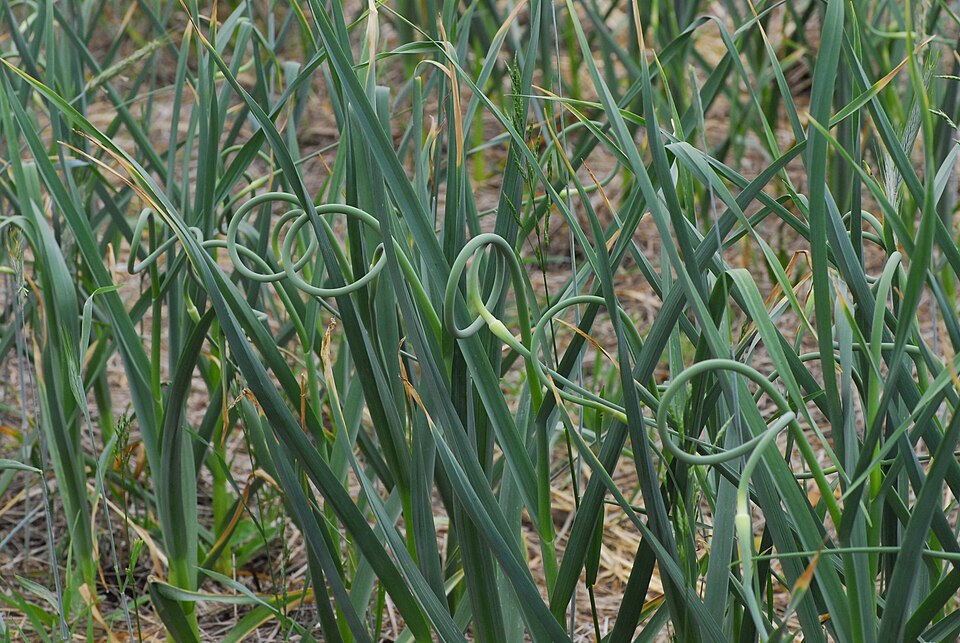
Vegetables
Practical guides from the first sowing to the last pick.
7 min read
Label two kinds of edible pod peas at the support and compare the stage at which each gives you its best harvest.
7 min read
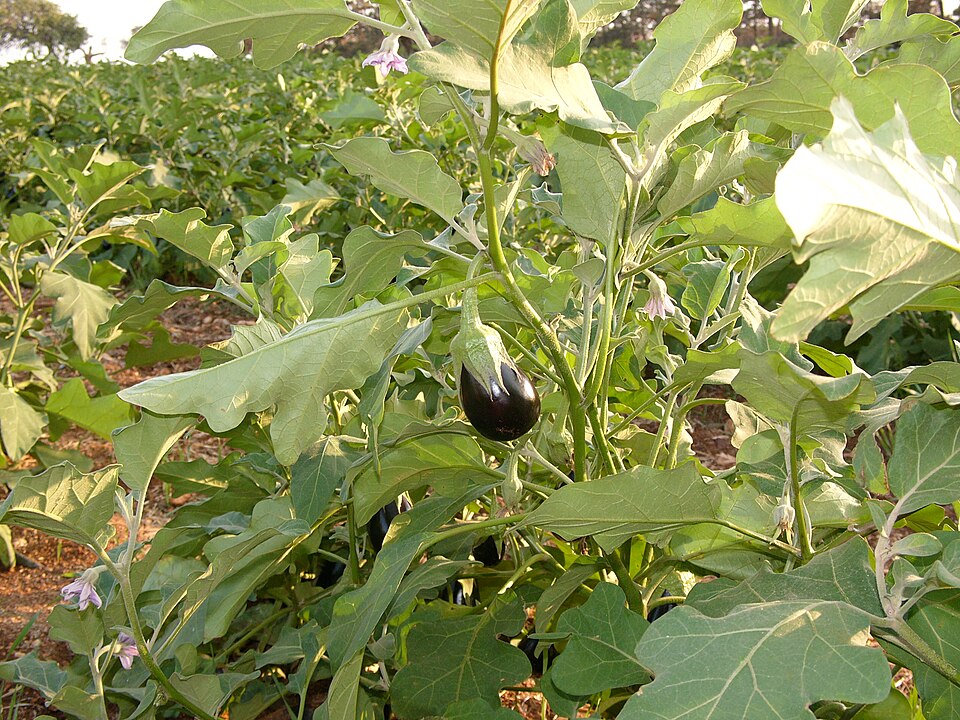
Choose a variety for your warmest bed and test one fruit’s sheen, firmness and inside texture before picking the rest.
7 min read
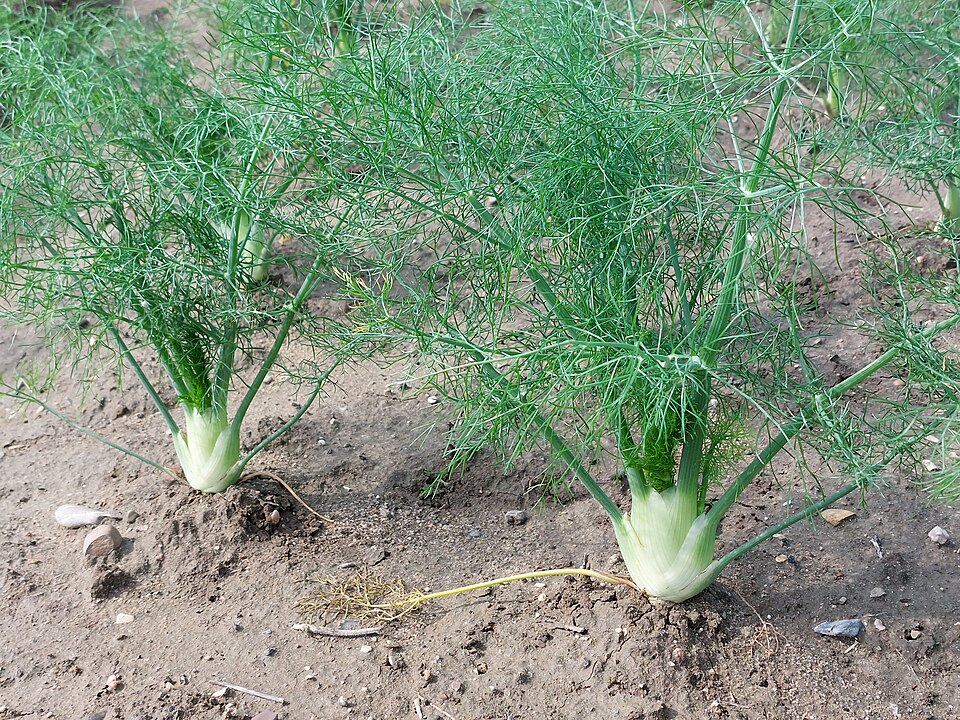
Choose a sowing that avoids cold starts and dry spells, then harvest while the swollen bases are still tender.
7 min read
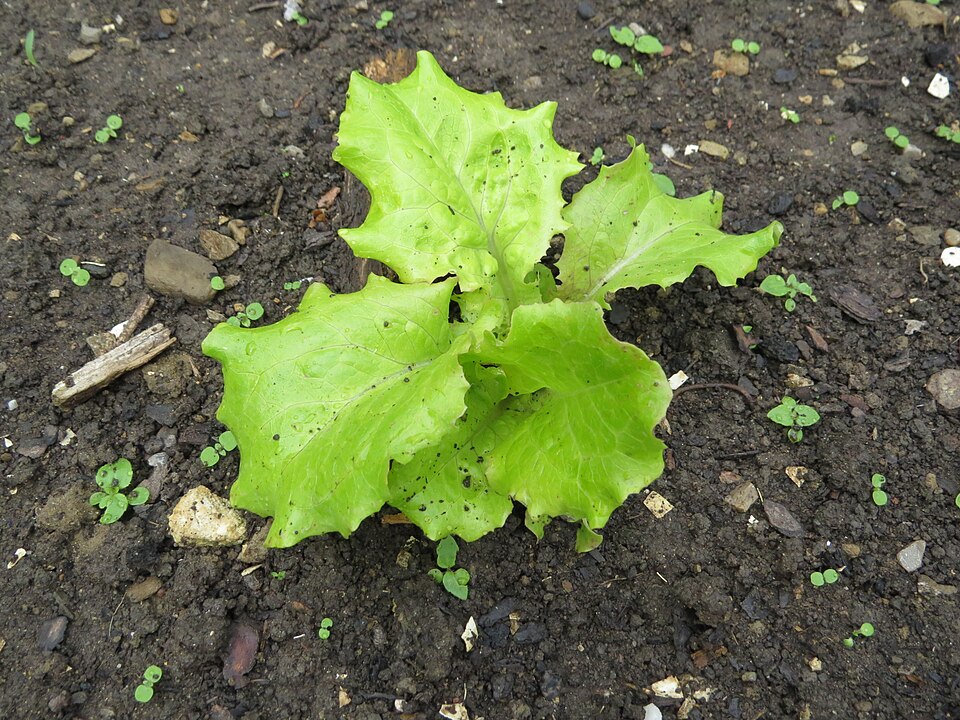
Give one group of leaf lettuces close spacing for early leaves and a second group enough room to reach its full shape.
7 min read
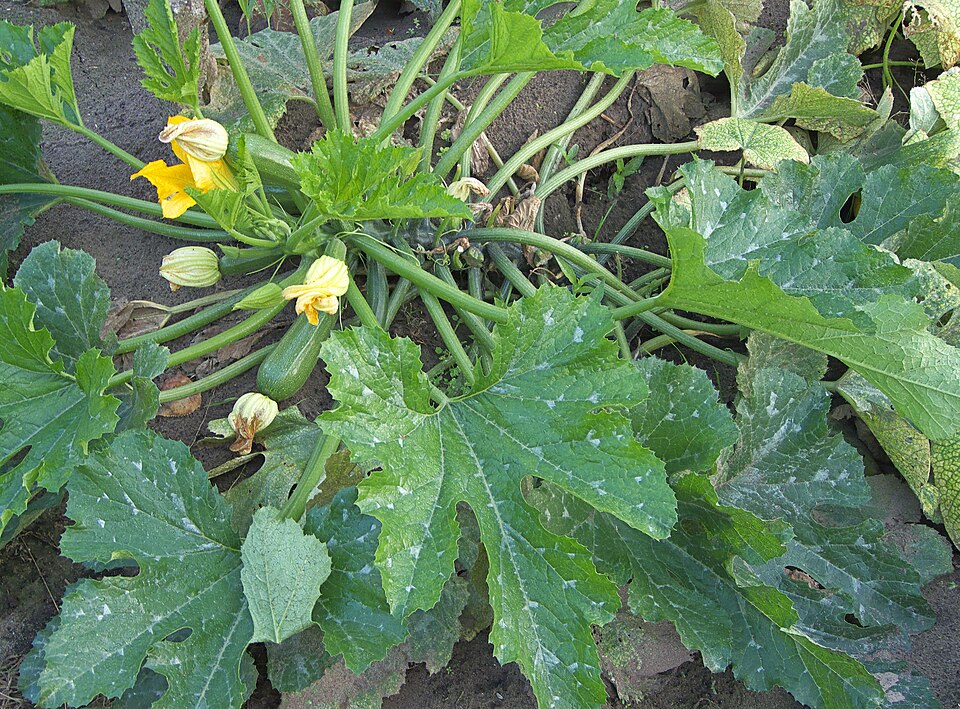
Choose a manageable number of plants, identify the first flowers and keep tender squash from getting lost under the leaves.
7 min read
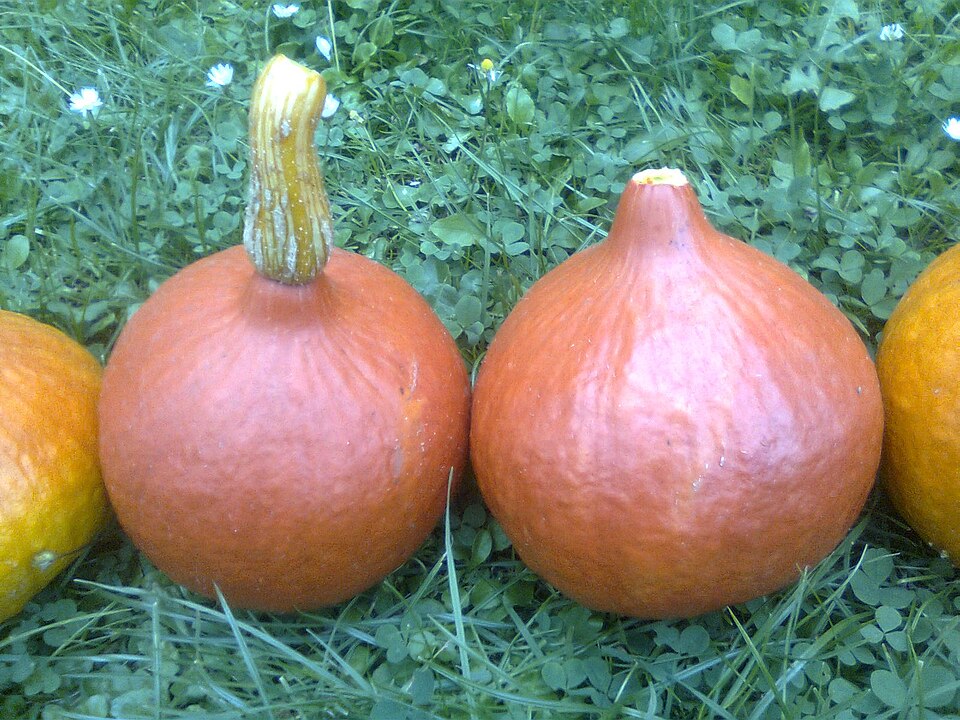
Read maturity on the vine, handle the stems gently and separate the sound keepers from fruit you should use sooner.
7 min read
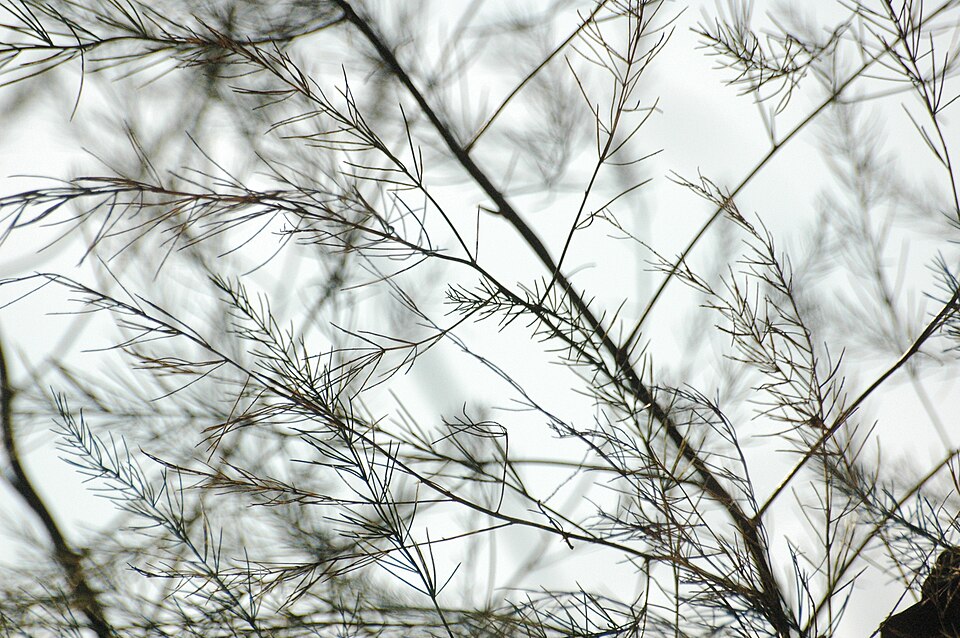
Choose a sunny permanent bed for the tall foliage, then work out when a new planting can support its first short picking season.
Keep a few herbs close enough to pick while you cook.
7 min read
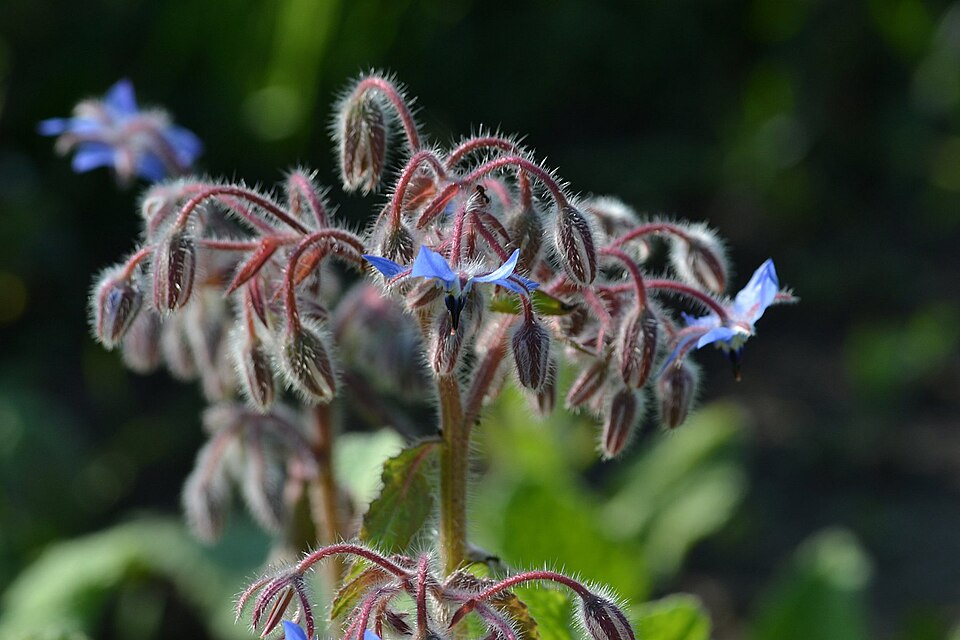
Plant a short patch for its blue summer flowers and decide where next year’s seedlings would be welcome before the first seeds fall.
7 min read
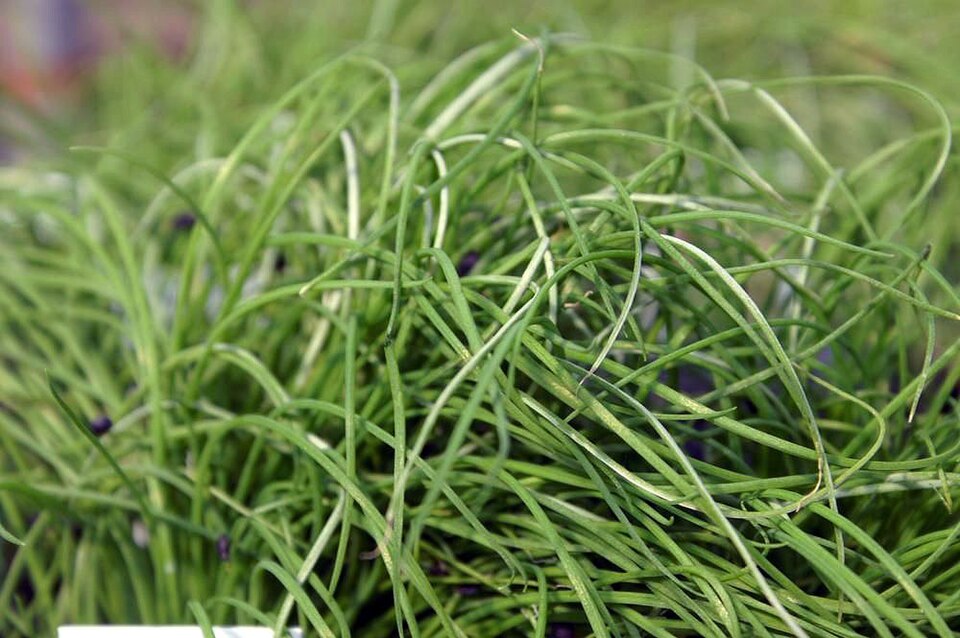
Make regular cuts from a harvest clump and let a second clump bloom without letting every flower set seed.
7 min read
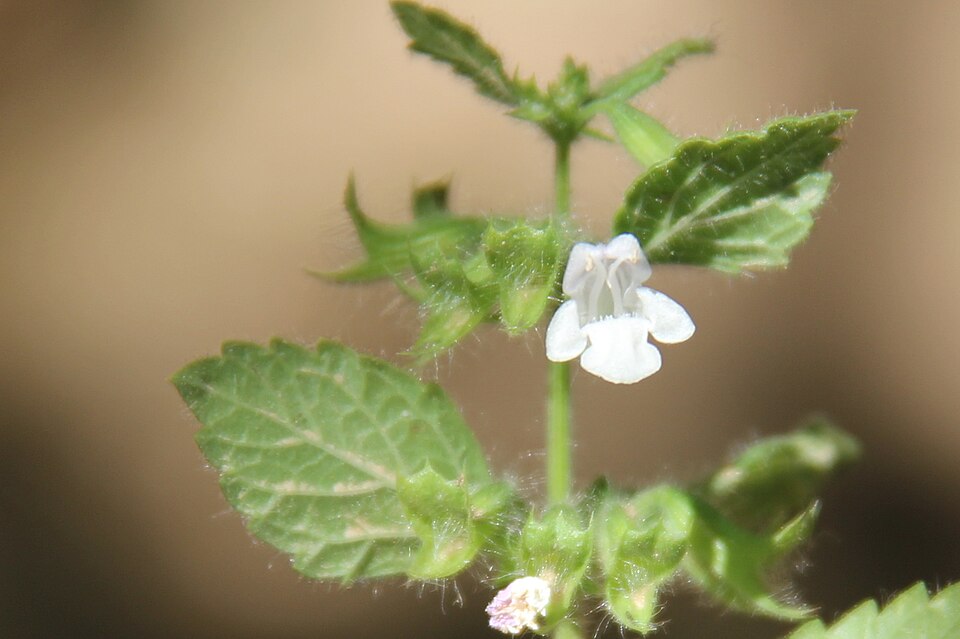
Manage fresh leaf harvests and prevent unwanted seedlings by making two different cuts at the right stages.
7 min read
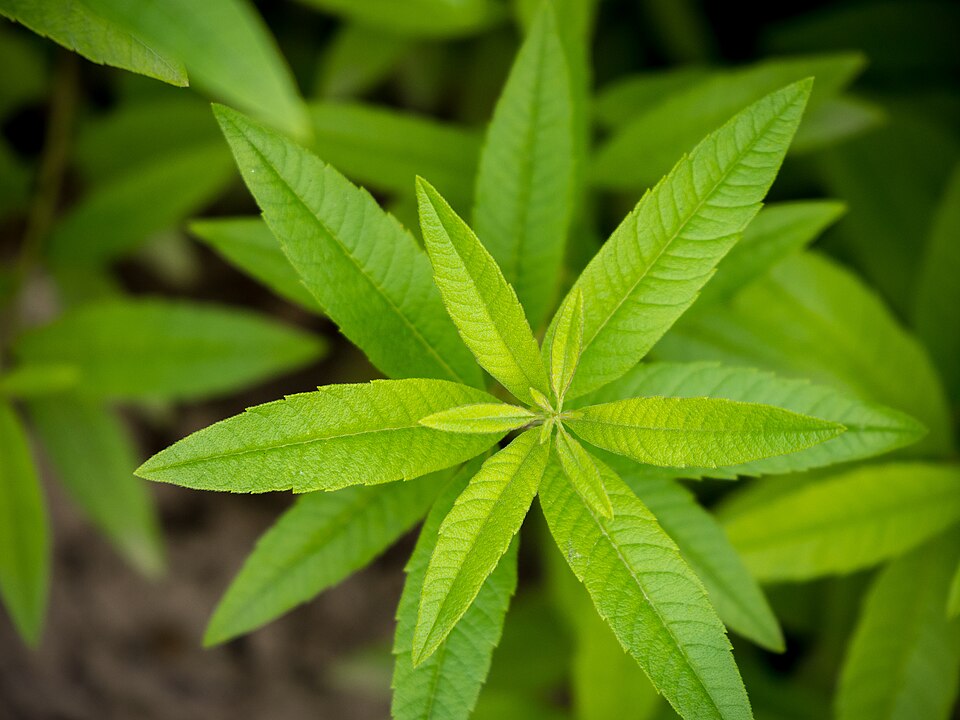
Grow lemon verbena within easy reach in summer and bring the same plant through winter where frost is a concern.
Choose crops that suit the space, sun and support you have.
7 min read
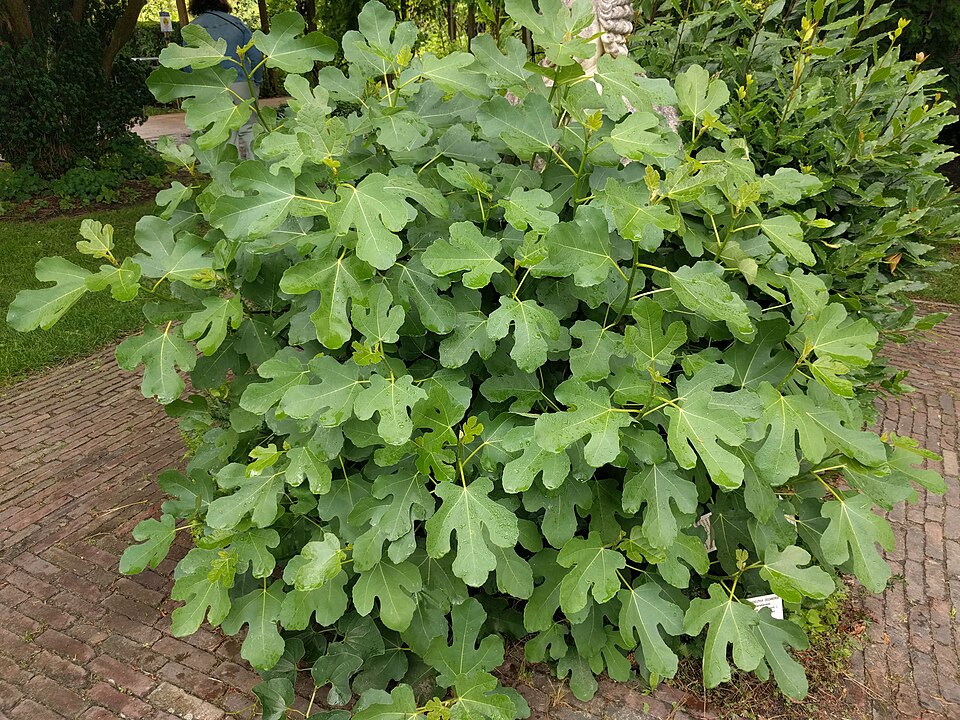
Choose an early fruiting selection for a short season and note which branches you need to preserve before pruning.
7 min read
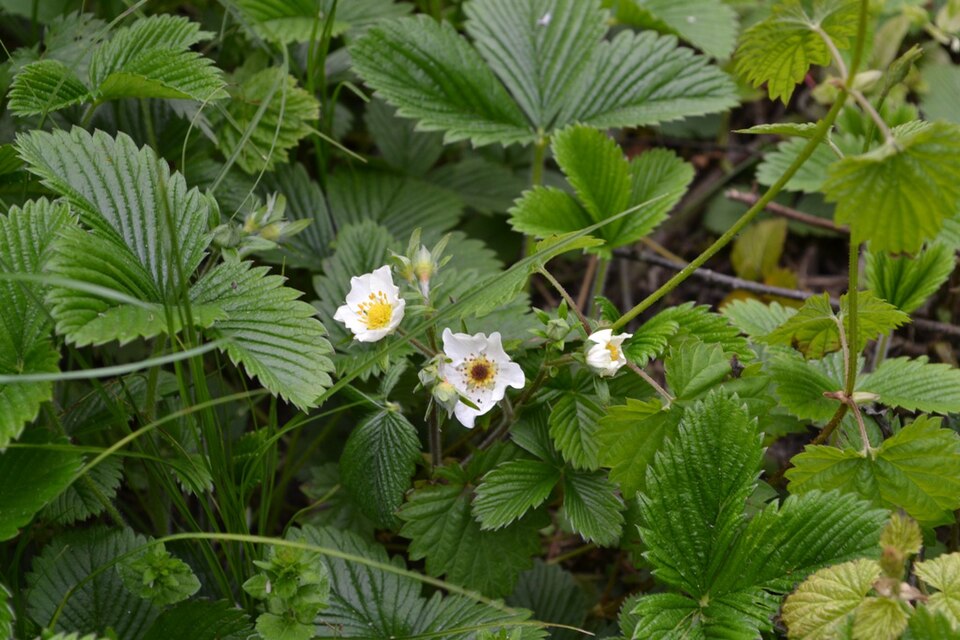
Choose a labeled compact selection, set its crowns at soil level and leave a clear reach to the small ripe berries.
7 min read
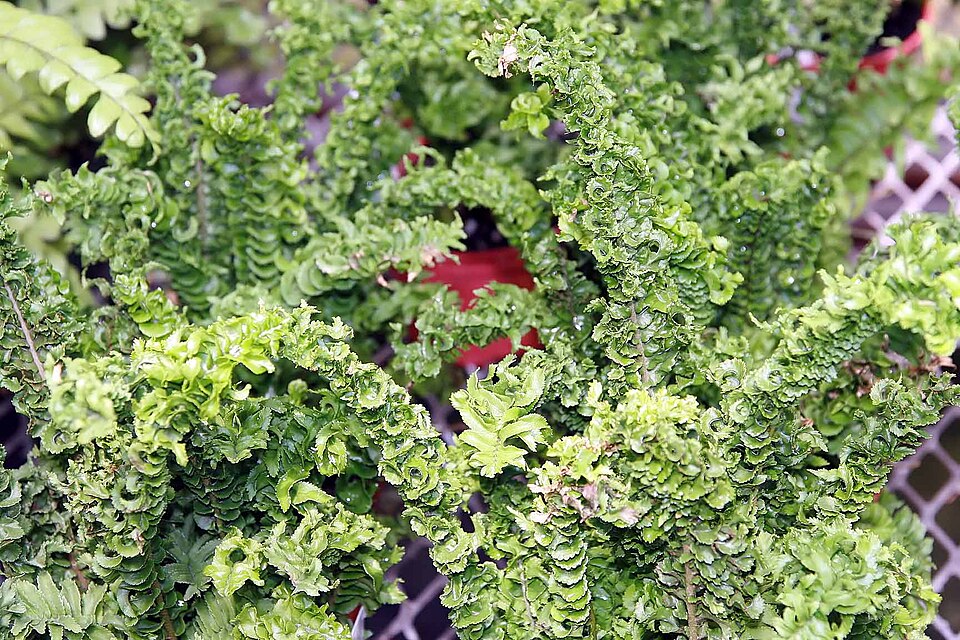
Set a summer fern where you can water it easily and make a realistic plan for its first weeks inside.
7 min read
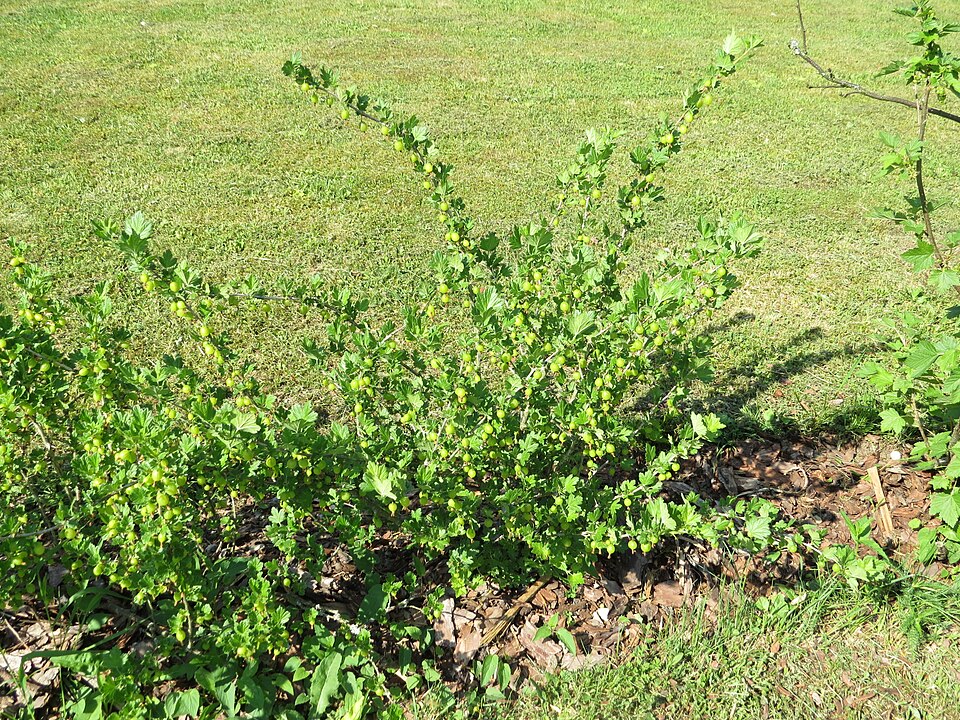
Keep the thorny center reachable, then choose a slightly underripe cooking crop and fully ripe dessert fruit by texture.
Start with the jobs that help plants get established.
7 min read
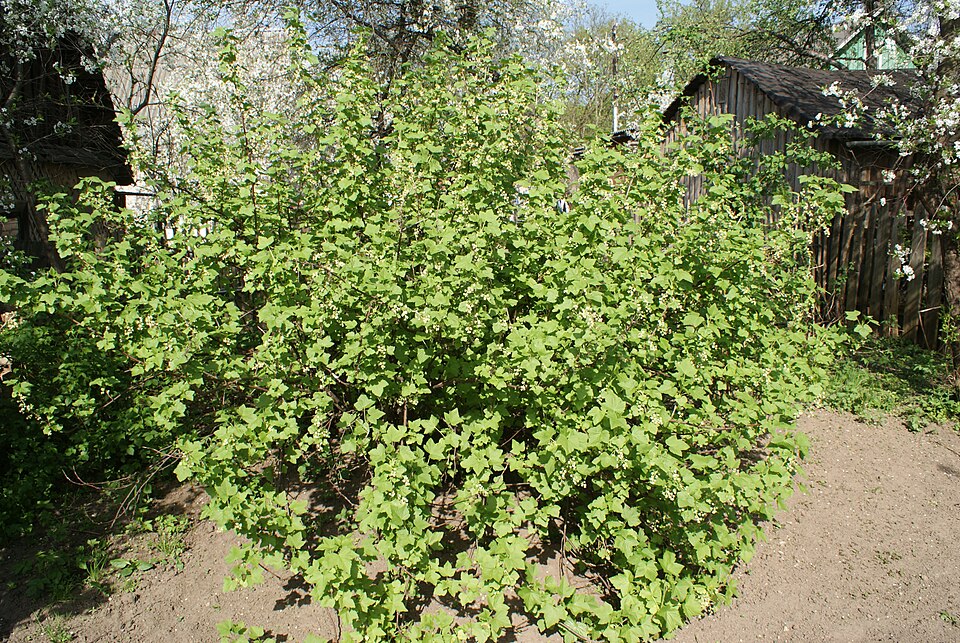
Use a small record of stem ages to decide which old wood to renew and which branches should carry the next crop.
7 min read
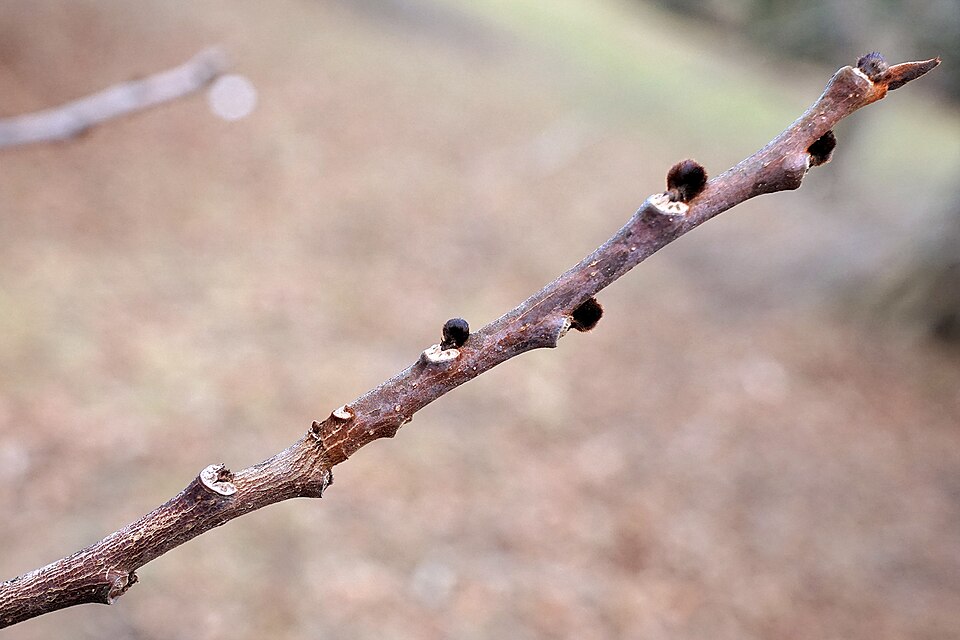
Choose two genetically distinct fruit trees, protect their sensitive roots and keep a record of which flowers open together.
7 min read
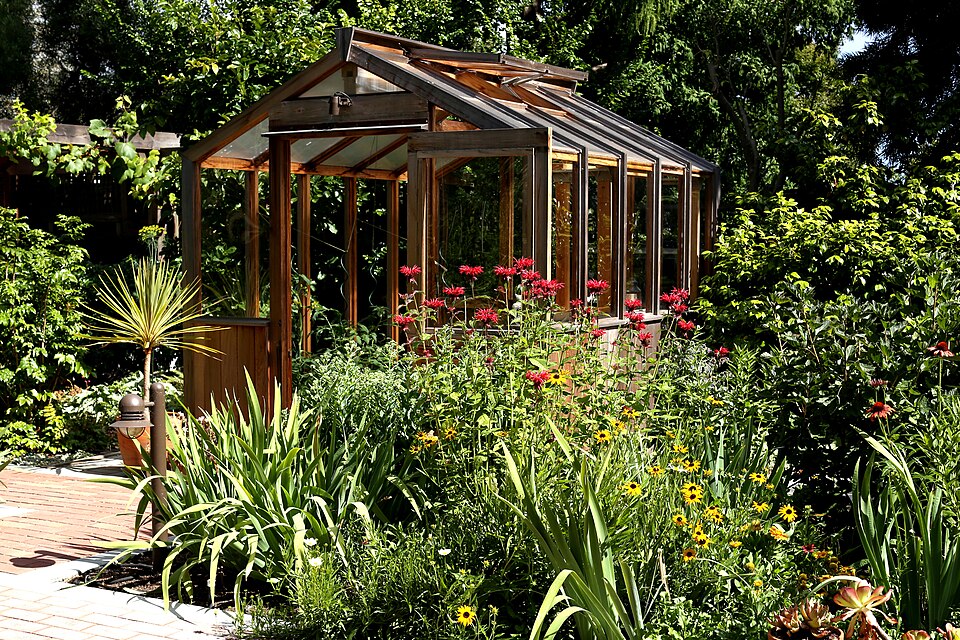
Identify the strongest edge of an old Monarda clump, make room for air and keep the route for inspecting leaves clear.
7 min read
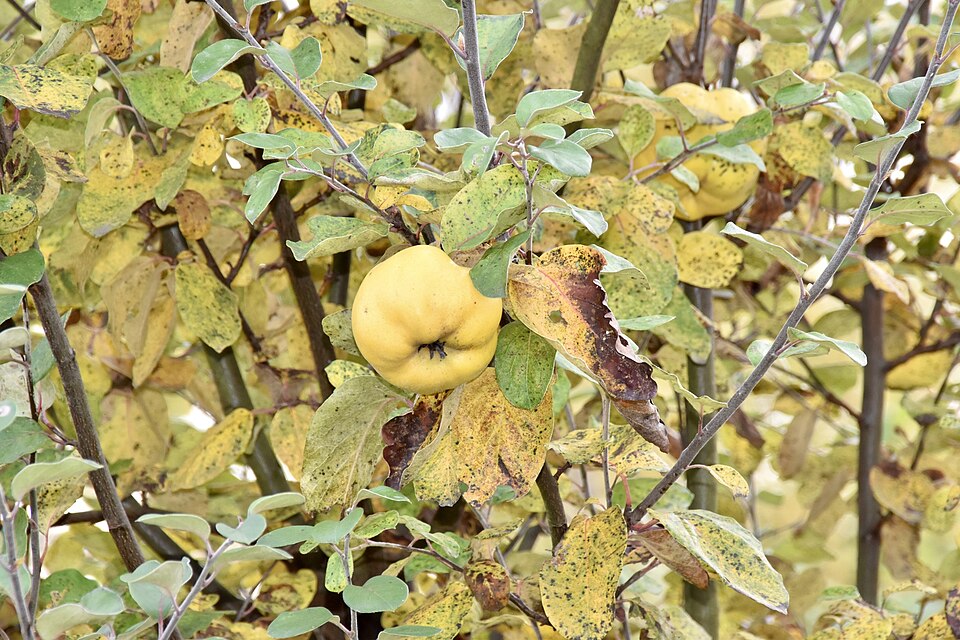
Choose a cultivar and rootstock for the available space, then use color, aroma and the forecast to plan the first picking.
Find room for blooms along paths and at the edges of beds.

7 min read
Use a small marked planting to tell overwintered crowns from volunteers and decide how much golden color to keep.
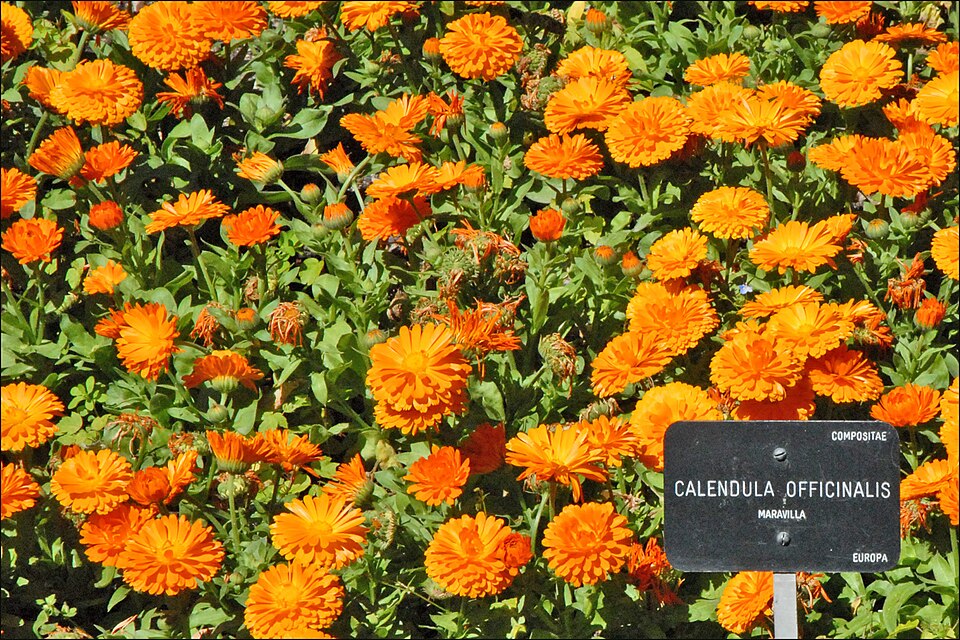
7 min read
Use two short sowings to color a sunny path, and decide whether the spring plants are worth keeping through summer heat.
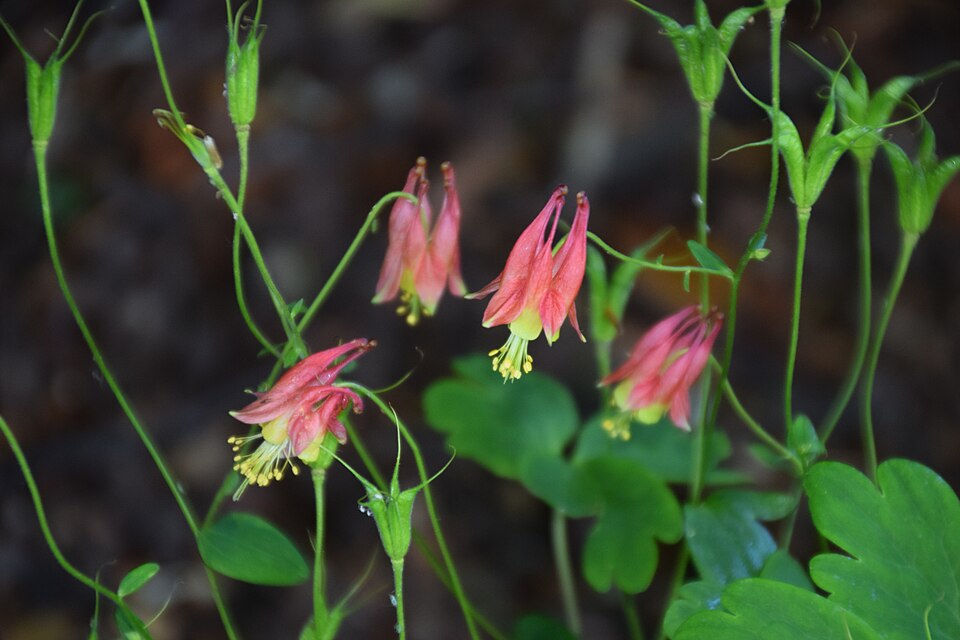
7 min read
Let selected seed capsules mature and make room for a few replacement plants without surrendering the path.
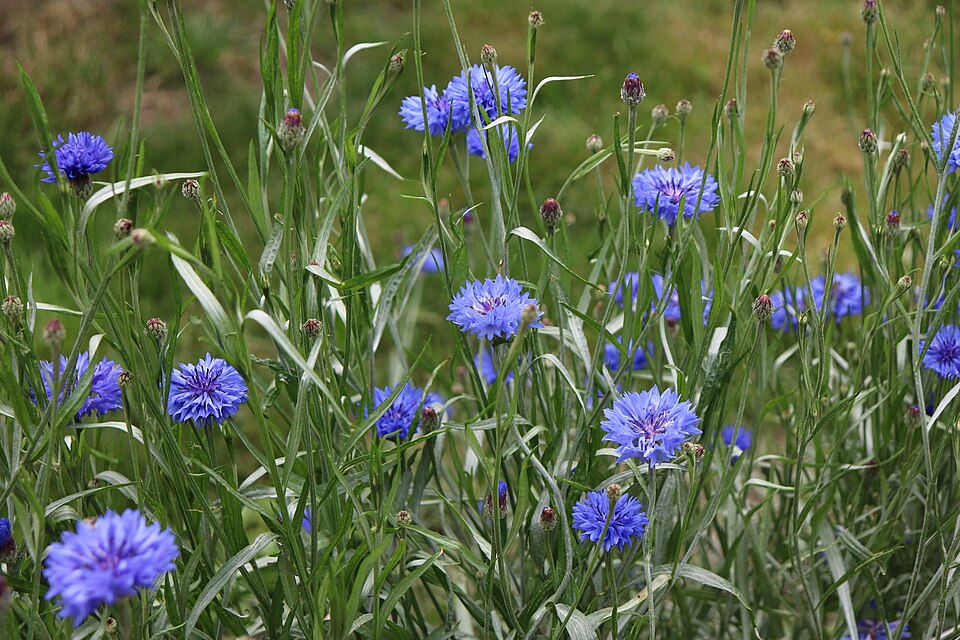
7 min read
Compare spring and autumn sowing where local conditions allow, and keep the cut flowers and fallen seed within reach.
Make a bright indoor spot work for leafy plants.
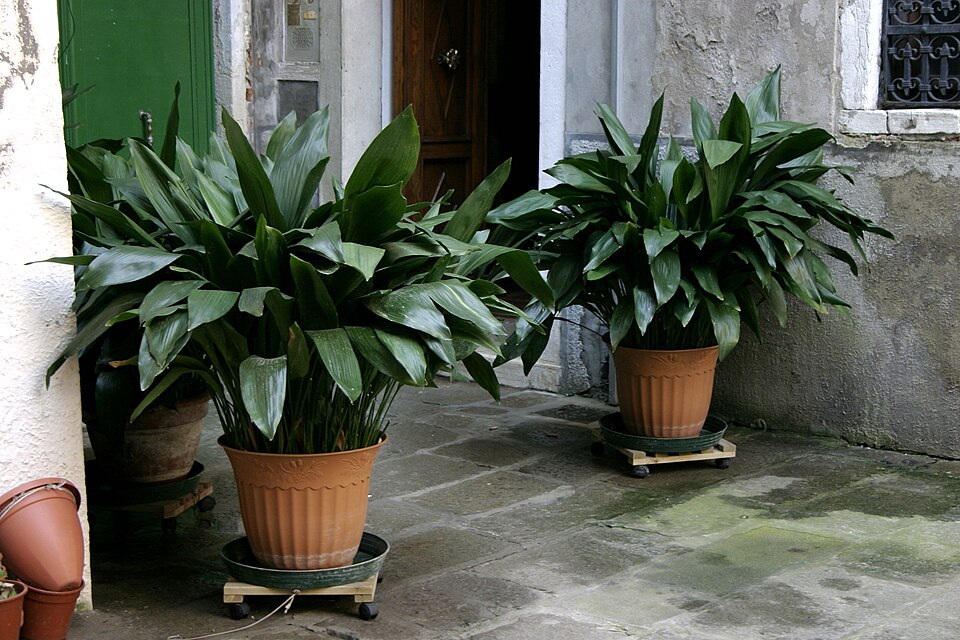
7 min read
Choose sections by their roots and growing points so a crowded Aspidistra can become two useful plants.

7 min read
Fit a support to the plant’s main stem, keep its growing tip in good light and make a large pot easier to handle.
7 min read
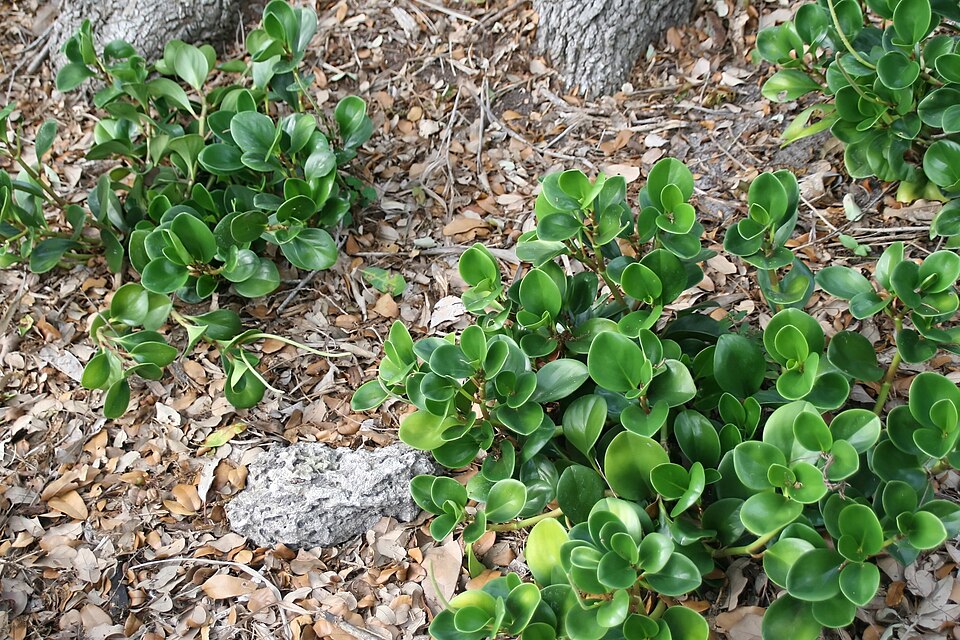
Learn how the small root ball of a baby rubber plant dries and use that timing to choose its pot and position.