7 min read
Use One Lettuce Bed for Two Harvest Sizes
Give one group of leaf lettuces close spacing for early leaves and a second group enough room to reach its full shape.
On this page
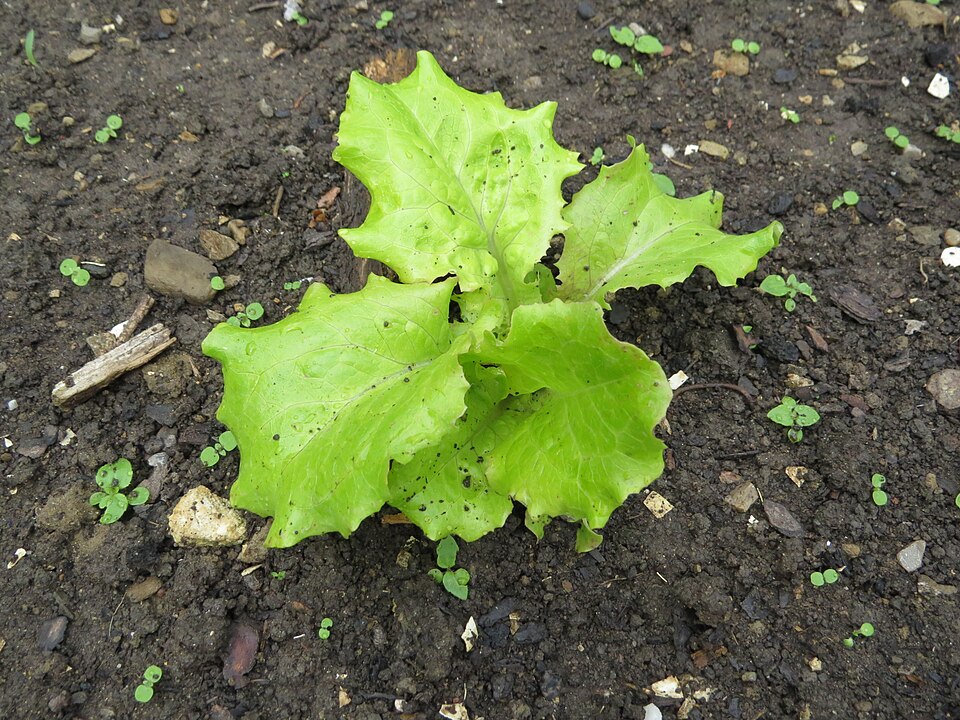
A packet of leaf lettuce can give you two crops at different scales. Harvest small tender leaves from one section and let plants in a second section display their mature size. Use the same cultivar and sow both at a useful point in the cool season. The two sections will need different spacing and probably different dates for picking. Mark them before they come up. Otherwise it is easy to keep thinning the whole row eventually, never quite leaving enough time to see what a full-grown plant would have provided.
Choose a named leaf lettuce and follow guidance for its form. Leaf types generally make an open arrangement of leaves, and varieties differ in their height, color and texture. Smaller individual leaves and an entire mature rosette can both be useful. Heading types and broadcast baby leaf mixes are managed differently. The project here uses space around individual leaf lettuce plants, with two different plans for how much foliage to leave. The same method works in a modest bed where you can check moisture and reach both sides.
Divide the bed before opening the seed packet
Make a low marker between two areas of fairly similar soil and light. Put the early section where you can approach it without reaching across a full-sized rosette. Reserve enough space in the second section that you can see each plant's center when it grows. Give the planting season and position enough daylight, and choose conditions appropriate to cool-season lettuce. A location that bakes against a wall may become too warm earlier than an open piece of the same bed. Check where the main shadow falls at the time of day when the temperature is highest.
Decide whether the mature group will be picked as whole plants or used over several visits. If you want a whole rosette for a meal, leave convenient access to the base. If you want a few full-size outside leaves at a time, make sure you can reach the outside of more than one plant. Plan the early gathering separately. A narrow line may be enough when you expect to cut only a few tender leaves each visit. Think about what you use rather than how much empty area you can cover with seed.
Have two labels ready with the same cultivar name, the sowing date and which harvest size you intend. Insert them in places that will remain visible as leaves reach over the rim. For a mixed-variety trial, make each comparison within the same cultivar. Different colors and leaf forms can start growing at different rates. You will have a clearer sense of the effect of spacing if all the plants you are comparing came from one packet and receive broadly similar moisture.
Keep sowing shallow and emergence steady
Prepare a fine, level surface and cover seed lightly as directed by the packet. The small seeds are easier to space if you work slowly and choose a manageable row. Pelleted seed can help where it is available. Water gently enough to keep seeds from collecting in one wet pocket. In hot conditions, a cooler suitable place for starting transplants can give better germination, provided you plan for appropriate outdoor conditions by the time the young plants need planting. Do not hold them in very small containers through a long delay.
Once seedlings are large enough to identify, clear the tightest clumps. Snip extra seedlings when pulling them would rock a plant you want to keep. Remove nearby weeds while their roots are still small. Use the packet for the cultivar and intended size. University of Minnesota Extension gives about five inches, or 13 centimeters, for leaf plants intended for early picking and roughly ten to twelve inches for full-size plants as examples. Different types and growing methods can use other spacings. The important difference in this bed is that the mature group has space to form its full shape.
Check after rain to see whether the smaller plants settled under loose soil or debris. Keep crowns visible. A fine surface may stay moist for a while, while shallow seedlings cannot use much water from farther down yet. Check it before watering, especially through windy weather. Once roots extend, wet their zone thoroughly as needed and allow excess water to drain. Keeping the two sections reasonably consistent gives you a better comparison than watering only the one you intend to pick first.
Pick the young leaves without ending the first row
In the early section, wait for sound leaves of usable size and choose a small first harvest. Pick outer leaves or use the method for that cultivar, leaving the growing point intact when you want more leaves to develop. Avoid snapping an entire plant when you need only a small handful. Put the usable leaves in a clean container and handle them with normal food hygiene. Inspect the centers as you pick. A plant crowded by several others can be more useful removed as a whole, leaving its neighbors to develop.
Check what the row looks like after the first cut. If you removed most of the foliage from many plants, allow more recovery time rather than returning for the same amount on a fixed schedule. Leave enough healthy growth for another useful round. Compare the texture of the older outer leaves and the small ones you kept behind. A cut that fits one plant may not fit another that only made a few leaves. Good early harvest is about taking usable leaves while you have a chance to keep a vigorous row.
If a plant in the early group starts to lift noticeably through its center, examine whether a flower stalk is developing. Hot weather and longer days can encourage bolting. The leaves can turn bitter or tougher as that happens. Judge the crop you have and gather sound usable leaves if they suit you. Pull finished plants or leave selected ones to flower where that serves a separate garden purpose. A rising flower stalk will not return to a young leaf crop just because you fertilize or cut it back.
Let the wider plants show you what full size is worth
Compare one plant near the center of the wider section with others at its edges. Look for the expected shape of the cultivar, and leave enough room for air to move between plants. Avoid picking from the entire section simply because the early row has slowed. Take a few outside leaves from one mature plant if that was your plan, or take the whole sound rosette when you want to end its crop. Keep it separate from the early harvest so you can compare the quantity and texture the two arrangements provided.
Look at the root zone after each watering. A large leafy plant can intercept light rain and shade soil, while the dense young leaf group may cover the same area in a different way. Use the moisture below the surface and the feel of healthy leaves to decide what is needed. If a series of very hot days is approaching, bring forward your check of both sections. A plant near the useful full size can be worth picking a little earlier rather than waiting for it to reach a target width while its center lengthens.
Inspect the mature crop for damage, especially down where outer leaves touch the soil. Keep only clean sound produce when harvesting and follow normal washing and storage guidance. If the earliest plants had a better texture because conditions were cooler, record that difference instead of assuming fuller plants are always less useful. A second sowing timed for milder weather could let the mature plants show a different result. Use a small comparison rather than devoting the entire bed to whichever looked better on one afternoon.
Compare what the rows leave behind after the first week of picking. Young leaves from several plants may give enough for one meal and leave growing points all along the strip. Taking two whole rosettes opens much larger spaces immediately. If you use the empty areas for another sowing, give the seedlings light and check the season again. Larger neighboring plants can shade them even though the earlier batch received full sun. Mark the new sowing so you can tell it from a plant that regrew.
Keep two dates instead of one maturity estimate
Write down when you took the first young leaves and when the best full-sized plant was ready. Include the interval between those harvests and what happened to the weather in between. A slow-bolting cultivar and an appropriate sowing period can help extend the opportunity, within the limits of local heat. Use the next sowing to repeat the stage you actually enjoyed and adjust how much ground each group gets. A few full-sized plants can be enough if you mostly wanted a small early cutting; a longer mature row may suit you if you used whole rosettes regularly. Let those two outcomes determine the next bed instead of sowing every plant the same distance apart.
Further reading: University of Minnesota Extension guide to lettuce, endive and radicchio.