7 min read
Plant the Summer Squash Row You Will Actually Pick
Choose a manageable number of plants, identify the first flowers and keep tender squash from getting lost under the leaves.
On this page
The busiest week of a summer squash crop is often the week when the gardener discovers that a second row was unnecessary. A few fruits reach a useful size while bigger ones, hidden under the leaves, get heavy enough to change the shape of the plant. Before you sow, think about which days you can visit and how much fruit you want to carry inside on each visit. A short row with a clear side can provide more usable squash than a larger planting that you only have time to check occasionally.
Summer squash includes zucchini, pattypan, yellow crookneck and other kinds picked while young. Some choices stay quite compact and some occupy considerably more width. Read the cultivar label for mature spread and suitable harvest size. The tenderness you want depends on the kind and its stage, not on whether every fruit reaches a common length. The main decisions for a small crop are the number of plants, the position where you can reach behind the leaves and the first visit after flowers appear.
Decide the scale before the soil is warm
Visit the planting spot with a small basket and think about your usual week. If picking is likely to be part of an ordinary trip outside, use the ground you already walk past. If the bed is farther away, keep it small enough to check in one pass. Set a marker at each proposed plant and leave the spacing its cultivar needs. Squash foliage intercepts light and can block a narrow space even when each crown remains precisely where you put it. Leave a generous reachable edge, especially if other plants near the row will also need regular picking.
Use a sunny place with reasonably fertile soil that drains freely. Follow local soil guidance instead of taking a shortcut with repeated large fertilizer doses. Aim for vigorous plants you can reach, with water available as fruit develops. A second planting period is useful only if your season gives it time and you want a later crop. Reserve some seed rather than committing every plant to the same day. If all the fruits reach their useful stage at once, you will know how many plants you actually needed.
Plan ahead for any early cover. Use local pest guidance and choose material and supports suited to the climate. If a young crop is covered with something that excludes insects, arrange to open or remove it when flowers open so pollinators can reach them. A cover can be useful early and become an obstacle later. Choose a fastening system you can clear promptly from the row. A rolled edge that rests on young stems can do damage each time you check the plants.
Start in warm ground and leave room for the leaves
Sow or transplant once the local risk of frost has passed and the soil has warmed. Use the packet and local guidance for spacing, depth and the advantages of a transplant in your season. Harden nursery or indoor-raised plants off before setting them out. Water the new planting in and keep the root zone reasonably moist through establishment. A young squash with healthy green leaves can still be knocked back by a cold spell. Use a smaller first planting if conditions are uncertain instead of trying to fill the whole bed early.
As the leaves expand, note where the main stems meet the soil. Keep weeds out of that area while there is space to work. A light appropriate mulch after the ground is warm can make soil moisture easier to maintain, provided it does not hide crowns or keep them persistently wet. Water at the soil surface where possible, using enough to reach the roots. A quick shower can wet the top of a squash canopy and leave dry soil below. Check in the actual root zone before adding another pass of water.
Keep the first foot of path beside the plants clear of pots, equipment and loose edges of cover. Leave enough room for mature leaves to stand above the crown. If one large plant blocks the far end, approach from both directions. Do not pull productive leaves aside roughly on every visit. A flexible branch can be lifted gently for a moment, but small developing fruit may be hidden underneath. A steady opening beside the row is better than depending on a regular squeeze through thick stems.
Read the flowers before counting the crop
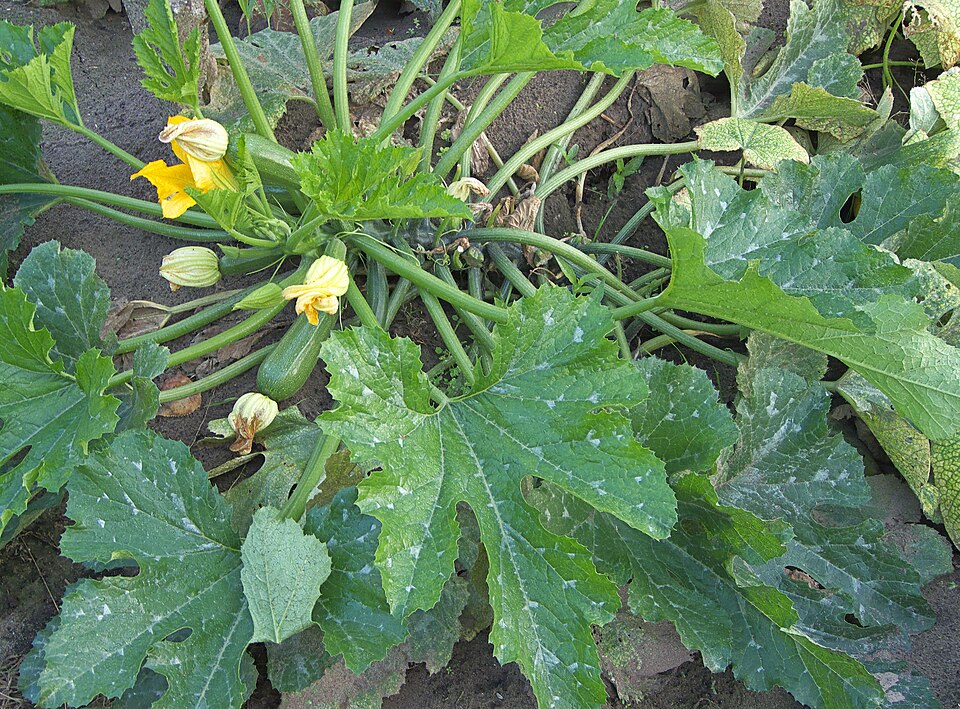
Look at the base below the flower. A male flower usually stands on a slender stalk. A female flower has a small ovary beneath it that resembles a tiny version of the eventual fruit. The earliest bloom can include a run of male flowers without female flowers yet. A crop can be at that stage and still be growing normally. Check again as new buds appear. A large number of early flowers does not give a dependable estimate of the number of fruit you will pick.
Follow one small ovary after a flower has opened. If pollination and growing conditions are suitable, it can expand into a harvestable squash. If it stays small and begins to decline, check whether the flower was accessible and whether the plant experienced difficult weather or uneven moisture. A swelling that did not grow is different from a male flower that naturally dropped. Do not assume you need to feed the plant more after observing one example. Compare a few female flowers that opened on different dates.
Observe flowers at a suitable time in the morning when you can see them open. Look from outside the row rather than disturbing insects that are visiting. Notice whether both types of flower are present. Maintain access for pollinators and consider weather if early set is poor. A more typical warm period can give you another chance to compare. Keep enough plants to support the amount of harvest you want, but do not make the row large solely because the first flowers did not produce visible fruit.
Pick the useful stage and make the next check simple
Start with a sound young fruit from an average plant. Use the recommended size for your cultivar and inspect the skin and firmness. Pattypan and narrow zucchini do not need to be compared by one length. Cut with a clean knife or shears and avoid damaging the nearby stem. Prepare one fruit and judge whether the skin and developing seeds suit what you plan to cook. A test in the kitchen is often more informative than a single measurement outside. If it is larger or tougher than you want, take the next comparable fruit sooner.
During a productive stretch, check frequently enough that fruit does not outgrow the useful stage. Look near the center and under the lowest leaves. Keep sound fruit separate from damaged fruit and follow normal produce handling after picking. Avoid searching and handling the row when the canopy is wet if you can. At the same visit, check for signs of pests or disease in places that remain hidden from the path. Identify what you find before taking action. An accessible row lets you catch damage as well as edible fruit while both are still easy to see.
Remove oversized fruit if you are continuing to harvest tender squash, and make a note of the place it was missed. Do not use those missed fruits as a reason to enlarge the planting. They usually tell you about the interval between visits or where your view was blocked. If the crop was useful and you could not keep up, grow fewer plants in the same clear arrangement next time. If several well spaced visits rarely produced a sound young fruit, look at variety, pollination and conditions before deciding to put a second row beside the first.
Mark the first fruit on each plant
Put a small label where you can see which crown produced the first usable squash. Compare that plant with the one whose leaves were biggest or whose flowers were easiest to see. Sometimes the smaller plant is simply easier to pick at the intended stage. If fruit keeps appearing on the far side of the same large leaf, look there at the beginning of each visit. Take a picture of that opening before you clear the plants at the end of the year. It gives you an example of how much clearance the next variety will really need. Keep the watering route open along the same side.
Keep evidence of what you used
Record the week of first fruit and the visits when a small basket was enough. Note whether a compact plant provided comparable usable fruit to a bigger one. Include the width of the actual leaves when planning the next row. A squash plant that looks substantial in late summer can still be an efficient fit when the fruit is close to your approach. Give each crown that clearance and keep the warmest productive part of the bed for a planting you can inspect often.
Further reading: University of Minnesota Extension guide to summer squash and zucchini.