7 min read
Sort Winter Squash Before It Goes Into Storage
Read maturity on the vine, handle the stems gently and separate the sound keepers from fruit you should use sooner.
On this page
The best time to choose a winter squash for long storage is when you can still see how it grew and handle it only once. A mature fruit with a sound rind and intact stem has a different future from one scratched in the garden or dropped into the harvest box. The signs of maturity vary by kind, and some kinds need different handling after picking. Put a label and two shallow containers beside the row. That small preparation makes a better storage plan than moving everything indoors first and sorting it when the fruit is already piled against a wall.
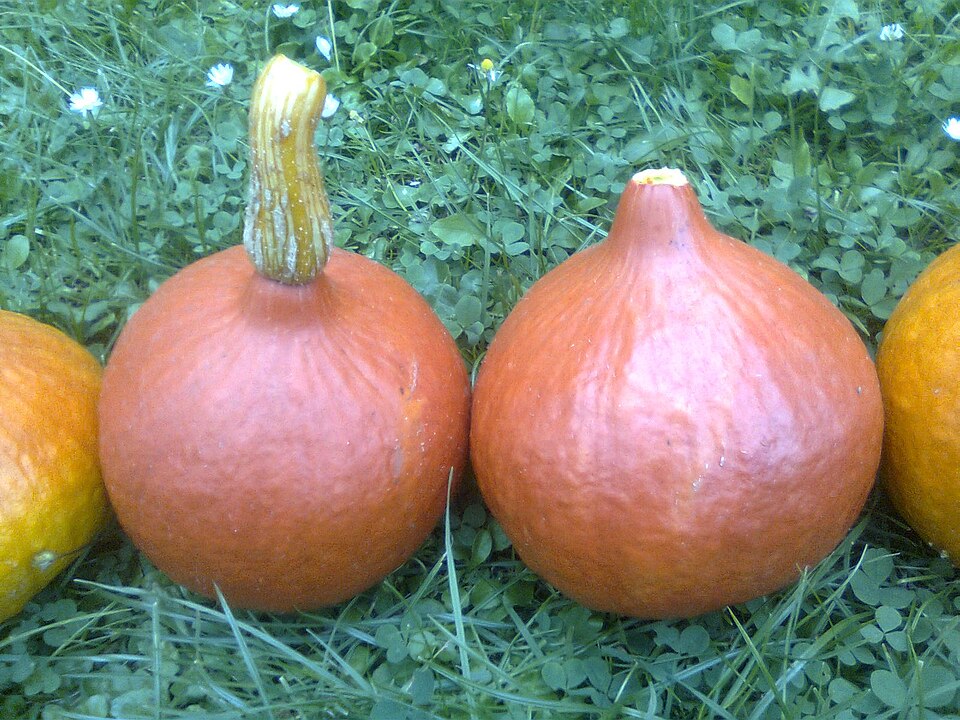
Winter squash are harvested at mature stages with hardened skins, in contrast to tender summer squash picked young. Garden selections include different Cucurbita species and many shapes and textures. Read the cultivar name and its normal ripe appearance before deciding which fruit belongs to a group. A round or striped fruit by itself does not establish the type or the advice that applies to it. Acorn squash, for example, is handled differently from types that benefit from a warm cure. Keep the label with each planting from the start.
Give the crop enough space and a likely warm season
Choose a cultivar with time to mature before the hard freeze expected in your area. Work backward from local conditions and the packet. A slow crop with several large fruits may need longer than a smaller early type. Plant after suitable warmth arrives and frost risk has passed. Give the plant a sunny draining location with adequate room to spread. Leave a route from which you can inspect the base and follow the vines. A vine that travels across two beds can be difficult to check when the first fruit starts to color under its leaves.
Plan how the fruits will be supported. A strong appropriately anchored structure may suit smaller fruit if they are supported where necessary. Heavy fruit can be easier and safer to manage on the ground. One less crisscrossing vine can make the whole bed more usable. Leave enough room to put down a shallow tray without crushing leaves or newly forming fruit. Water the root zone during establishment and as needed while the crop grows, avoiding repeated prolonged saturation. Check soil first so you do not mistake wilt after a dry period for the normal maturity of the vine.
Keep the variety tags near the crown or next to the part of the vine you can trace. Use a quick drawing if two vines tend to cross. It is difficult to reconstruct names from the stems once leaves have died back. You can label individual fruit by placing a tag nearby, leaving its rind and stem uninjured. The labels matter later if one group needs curing and another should enter storage without it. Look at the growing crop during the season while each plant is easy to tell apart.
Check the rind and the stem before cutting
Look at the fruit's normal background color and the appearance of its rind for the cultivar. A fully mature squash often develops a harder rind and the stem may begin to dry or firm, with the details varying by type. Inspect several fruits before deciding the whole crop is ready. Remember how large they were a week earlier and whether new growth has slowed. A dead vine can reflect drought, frost or a disease rather than a fully mature crop. Use the condition of the fruit and local harvest guidance together.
Be careful when assessing a rind. Avoid gouging it repeatedly or making a mark on every sound fruit. Look at a clean part of the surface and use the cultivar's known characteristics, with a gentle inspection where needed. A damaged rind can make a sound squash less suitable for long storage. Check below the fruit for dampness and injury if you can see it without twisting the stem. Notice any parts that have been rubbing on another fruit or a support. Put those on a different list from fruits whose surfaces have stayed intact.
Check the forecast in the period when fruits are approaching maturity. Harvest mature squash before a hard freeze. The exact date changes by climate and season. A sheltered section might retain warmth later than the most exposed part of the garden, but a useful forecast still matters. If the fruit is ready and conditions are likely to become damaging, use the accessible harvest window. If you are unsure about an immature type, ask a local extension resource about its harvest and expected keeping quality. An immature fruit should not automatically be treated like a fully mature keeper.
Make three decisions at the garden gate
Cut a sound fruit with a clean sharp tool, leaving an appropriate short stem. Support it from below and never carry it by the stem. Place it down gently. A fruit with a thick intact rind can still be bruised in a fall or scratched against a hard container. Keep a dry place ready while you finish gathering. Sort anything damaged or stemless from sound fruits with intact stems. Discard fruit showing decay. Handle sound pieces with lesser storage quality as something to use promptly rather than putting them on the same shelf as keepers.
Decide which sound mature fruits are of a type that benefits from curing. Extension guidance commonly describes warm, ventilated curing for suitable winter squash. Requirements vary by type and harvest conditions. Acorn squash should not be warm cured because it can lose quality and storage life. Keep those labels separate. Do not warm cure a mixed box simply because some of its contents normally benefit. Set sound whole fruits with room for air, following trustworthy guidance for the type you have.
Record the date and inspect the groups as they move indoors. If one fruit was scratched in transit, move it to your use-soon group. Wiping away loose dry field dirt and handling a sound rind gently are different from scraping dried material off sharply. Follow local advice on cleaning and drying conditions for storage. Avoid adding damp fruit to the keepers. Look for soft areas as well as holes. A small scratch and an active soft spot require different choices, so look carefully before keeping a group together.
Give the keepers a checkable shelf
Store sound fruit in a cool, dry, ventilated place appropriate for the type. Iowa State University Extension gives about 50 to 55 degrees Fahrenheit, or 10 to 13 degrees Celsius, as a useful range for many winter squash. Keep the surface dry and place fruits with enough separation to inspect sides and stems. Avoid storing them beside ripening apples or pears. Use a shelf with safe support for the weight and a route to lift fruit with both hands. Do not stack so deeply that you cannot see the ones at the back.
Check the stored crop periodically. Move a sound fruit you intend to use soon forward and clear any squash that softens or rots. Storage life depends on cultivar, harvest maturity and conditions. Acorn types often keep for less time than suitable butternut or Hubbard types. Keep the harvest date with each batch rather than assuming every fruit in the same shape keeps equally long. The first one that began to decline may reveal which group needs using sooner. That is useful information even when most of the crop remains sound.
Keep one small group as a record of the season
Put two sound fruit of the same type side by side where you can inspect them. Note which batch reached the vine's expected mature color earlier. Where conditions are suitable in the storage area, compare how well each retains a firm surface in later checks. A useful note says which fruit developed a problem, how old it was and how its stem and rind looked when picked. Remove declining fruit in good time rather than using it to see how long the rest will last. Check for moisture in the area where the change began. If one end of the shelf is consistently less ventilated, move the sound keepers to a better position.
Write down how many of each type you could place on one level with room to see the stems. Use that number when you next plan the row. The fruit you had space to inspect is a more useful record than the total number you carried in from the garden. A type that kept well in its own clearly labeled group can be worth growing again even if it produced fewer fruits than another cultivar.
Make the next planting fit the storage you actually have
At the end of the storage period, compare what was useful from each type with the amount of shelf space it needed. A small block of sound keepers may be more practical than a large late crop of mixed maturity. Note what was still good when you expected to use it and which fruits were too heavy or awkward to protect during harvest. Choose the next cultivar and row size using that evidence. Keep the garden-to-shelf route clear, the labels visible and the first three sorting decisions small enough to make while the condition of every fruit is still in front of you.
Further reading: Iowa State University Extension guide to harvesting and storing vine crops.